
Building Your Emergency Fund From Scratch
Why you need it, how much to save, and the right approach for Hong Kong professionals facing high living costs.
Read ArticleSenior Finance Educator & Course Director at FinanceFlow Academy Limited
14 years helping Hong Kong professionals build real wealth through practical savings strategies, MPF optimization, and financial planning that actually makes sense.
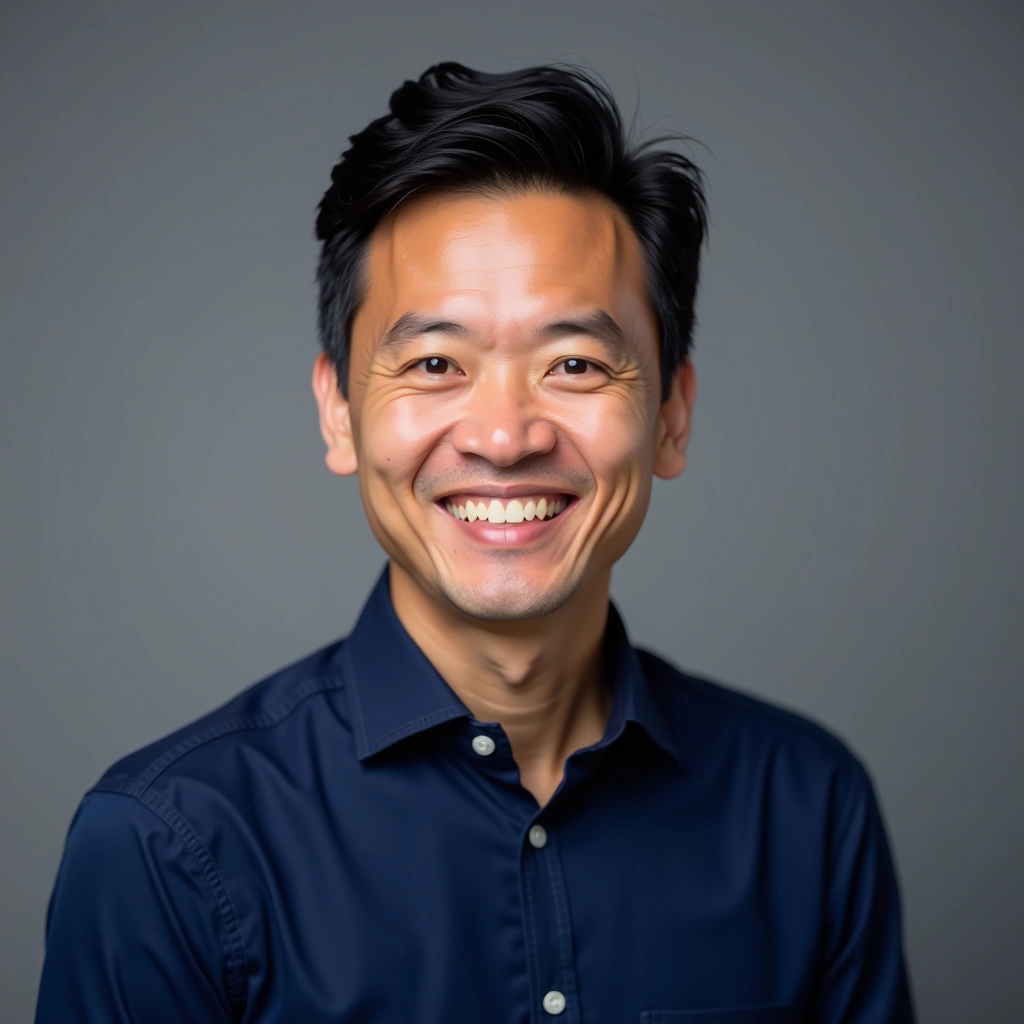
A conversation about personal finance, savings strategies, and building financial confidence
After 8 years working as a financial advisor at one of Hong Kong’s major banks, I noticed something frustrating. Most professionals wanted help with their finances, but they’d sit through meetings filled with jargon about “asset allocation strategies” and “portfolio rebalancing” and walk out feeling more confused than when they arrived.
The real issue wasn’t that people couldn’t understand finance — it’s that nobody was teaching it in a way that connected to their actual lives. A Kowloon professional doesn’t care about theoretical frameworks. They care about whether they’re saving enough for retirement, how to maximize their MPF without missing out on growth, and how to handle the rising cost of living without constant financial stress.
That gap is what drove me to transition into education full-time in 2018. I wanted to build courses that felt like talking to someone who actually gets your situation.
Kowloon has its own financial personality. You’ve got professionals working in tech, finance, services, and government — people with solid incomes but facing specific pressures. High rental costs eat up 30-40% of salary for many. Commute costs add up. School fees for families are brutal. The pressure to maintain appearances in a fast-paced environment is real.
I started seeing patterns when I was doing advisory work. A banker earning HK$600,000 annually would stress about money because they weren’t making intentional choices about their savings. A young professional in their 30s would ask “Should I buy property or invest?” without understanding the actual numbers.
When I built courses specifically for this group, focusing on real Kowloon scenarios, the engagement completely changed. People felt like the content was built for them — because it was.
It’s not complicated, but it’s deliberate. I break it down into three layers that people can actually execute.
First, we build a realistic budget that doesn’t require you to eat instant noodles or eliminate joy from your life. This uses the 50-30-20 framework adapted for Hong Kong costs — 50% for needs, 30% for wants, 20% for savings and debt repayment. But that “30%” isn’t guilt-based. If you need more for rent or family, we adjust. The point is awareness.
Second, we optimize your MPF. Most people don’t realize how much flexibility exists within the Mandatory Provident Fund system. Choosing the right fund mix, understanding fee structures, and timing contributions can make six figures of difference over 30 years. It’s not exciting, but the math is undeniable.
Third, we build an emergency fund properly. Not “save whatever you can” — actually three to six months of living expenses kept accessible. Then, once that’s solid, we talk about what comes next: property, investments, insurance gaps. You’d be surprised how many professionals jump to property investment without a safety net.
That earning more money automatically means financial security. I’ve worked with people earning HK$1 million annually who were genuinely worried about their financial future, and people earning HK$400,000 who felt completely stable.
The difference? One group had a plan. The other didn’t. High earners without structure often end up spending more as they earn more — bigger flat, better restaurants, nicer holidays. The income increases but so does the lifestyle, so they never actually build wealth.
The professionals who feel secure are the ones who’ve done three things: decided on a realistic savings target, automated it so they don’t have to think about it every month, and reviewed it annually. That’s it. Not complex. Not risky. Just intentional.
A few things. First, younger professionals — people in their 20s and 30s — are starting to think about retirement in ways my generation didn’t until much later. The conversation around MPF sustainability is creating earlier urgency, which is actually healthy.
Second, there’s growing interest in supplementary pensions and insurance products beyond the basic. People want to know if their MPF alone will be enough, and the answer is usually “probably not” — so they’re looking at solutions.
Third, and this is important, there’s less stigma around asking for help. Five years ago, admitting you didn’t understand your finances felt like a weakness. Now, busy professionals openly acknowledge they’d rather learn from someone who speaks their language than muddle through alone.
That shift is what makes my work rewarding. We’re normalizing financial literacy as something you deserve to have access to, not something only wealthy people with private advisors get.
Professional qualifications and experience in personal finance education
Michael maintains active membership with the Hong Kong Institute of Financial Planners, the Financial Planning Association of Hong Kong, and the Professional Insurance Agents Association. He regularly attends continuing education seminars to stay current with regulatory changes and emerging financial planning strategies relevant to Hong Kong professionals.
Since joining FinanceFlow Academy Limited in 2018, Michael has developed and taught courses on personal finance management, savings plan strategies, MPF optimization, and retirement planning. His curriculum is designed specifically for working professionals in Hong Kong, with particular focus on the financial challenges unique to Kowloon-based individuals. His courses emphasize practical, actionable strategies over theoretical frameworks.
What drives my teaching and course design
Most financial advice feels disconnected from real life. It’s written by people who don’t understand what it’s like to pay HK$25,000 in monthly rent, support aging parents, and still try to save. My courses start from where you actually are, not from some theoretical ideal. We don’t pretend that saving 50% of income is realistic for most people. We work with what’s possible.
A spreadsheet showing that you’ll have HK$2.3 million at retirement is meaningless without context. What does that actually mean for your lifestyle? Can you afford that flat in the New Territories? Can you retire at 60? Will you need to work part-time? I teach finance through stories and real scenarios because that’s how humans actually understand money — through narrative, not abstractions.
The 50-30-20 budget rule is a starting point, not gospel. You’ve got different circumstances: dependents, family obligations, career stage, risk tolerance, life goals. A one-size-fits-all approach doesn’t work because personal finance is exactly that — personal. My job is to give you frameworks you can adapt, not rules you must follow.
The professionals I’ve worked with who build the most wealth aren’t the ones making brilliant investment calls or taking huge risks. They’re the ones who save consistently, automate their savings so they don’t have to think about it, and stick with a plan through market ups and downs. That’s unglamorous but it’s the actual path to financial security.
When I was advising, I realized that many people bought products they didn’t fully understand because they trusted me. That imbalance bothered me. Now, my responsibility is to teach you enough that you can make informed decisions yourself. I’m not here to sell you something — I’m here to make sure you understand your options and can evaluate them honestly.
Should you buy property or invest in the market? Should you max out your MPF contributions or keep that cash liquid? The answer to both is “it depends” — and understanding what it depends on is the real skill. I teach you how to think through these decisions based on your goals, timeline, and constraints, not which choice is universally “right.”
“Financial security isn’t about earning the most money or making the cleverest investments. It’s about making intentional choices aligned with your actual life, then having the discipline to stick with them. That’s it. Everything else is noise.”
What happens when professionals take action on financial planning
Across comprehensive savings strategies and financial planning courses since 2006
Starting as an advisor, transitioning to full-time financial education in 2018
Building practical courses specifically designed for Hong Kong professionals
“I took Michael’s savings strategy course because I was earning well but had no idea where my money was going. Within three months of implementing his framework, I’d set up automatic transfers and started actually tracking my MPF fund performance. Two years later, I’ve got six months of emergency savings and a clearer picture of my retirement timeline than I’ve ever had. He doesn’t sell you products — he teaches you to think.”
Practical guides on personal finance management and savings strategies
Why you need it, how much to save, and the right approach for Hong Kong professionals facing high living costs.
Read ArticleHow to adapt this proven budgeting framework for Kowloon living expenses and create a realistic savings plan.
Read ArticleUnderstanding stocks, bonds, and funds without the jargon. Where to start if you’re new to investing beyond your MPF.
Read ArticleHow to approach salary discussions with confidence. Practical tactics for professionals at different career stages in Hong Kong.
Read ArticleExplore our full range of personal finance courses and savings planning resources designed specifically for Hong Kong professionals. Whether you’re starting from scratch or refining your strategy, we’ve got practical guidance that works.